Emergency Dentistry
What Should You Do During a Dental Emergency in Burbank?
During a dental emergency, call a dentist as soon as possible, protect the injured area, and avoid home remedies that can make the situation worse. Trouble breathing or swallowing, uncontrolled bleeding, or another life-threatening problem requires emergency medical care.

If you have a dental emergency in Burbank, the first step is to call a dental office and describe exactly what happened, when symptoms started, and whether there is swelling, bleeding, fever, or trauma. Magnolia Dentistry’s emergency dental service is available for urgent dental concerns, and the doctor is available 24/7 on call for emergencies.
Some problems also need emergency medical care rather than routine dental triage. If swelling is affecting your breathing or swallowing, bleeding cannot be controlled, there is a serious facial injury, or the situation may be life-threatening, call 911 or go to an emergency department.
What counts as a dental emergency?
A dental emergency is not defined only by pain level. A knocked-out permanent tooth may not hurt as much as an abscess, but timing can affect whether the tooth can be saved. A spreading infection can be serious even if a pain medicine temporarily reduces discomfort. The urgency depends on the cause, not simply on how tolerable the symptoms feel at one moment.
- Severe or persistent tooth pain
- Swelling in the gum, face, or jaw
- A knocked-out permanent tooth
- A cracked or broken tooth after trauma
- A lost crown or filling with significant pain or exposed tooth structure
- Bleeding that is difficult to control
- A dental injury combined with facial or jaw trauma
Severe toothache: what should you do?
Rinse gently with warm water and use floss carefully if food may be trapped between teeth. Do not place aspirin directly on the tooth or gum. The American Dental Association specifically advises against putting aspirin on aching tissues because it can injure them.
A toothache can come from decay, a crack, inflamed pulp, infection, a damaged restoration, or another cause. Pain medication may reduce symptoms temporarily, but it does not diagnose or remove the cause. If pain is lingering, waking you at night, severe with biting, or accompanied by swelling, arrange an evaluation promptly. The guide to root canal warning signs explains when pulp-related symptoms may be part of the picture.
Knocked-out permanent tooth: act quickly
A knocked-out adult tooth is time-sensitive. Handle the tooth by the crown—the white part you normally see—not by the root. If it is dirty, rinse it gently without scrubbing away attached tissue. If you can replace it in the socket without forcing it and without touching the root, that may help keep it viable. Otherwise, keep it moist.
The ADA advises keeping a knocked-out permanent tooth moist at all times, such as in milk or an appropriate tooth-preservation product, and getting to a dentist immediately. Do not let the root dry out. This guidance applies to permanent teeth, not baby teeth.
Cracked or broken tooth
Rinse the mouth gently with warm water to clean the area. A cold compress on the outside of the face can help with swelling after an injury. Save any broken pieces if you can find them and bring them with you. Avoid chewing on the affected side until the tooth is assessed.
The treatment could range from bonding or a filling to a dental crown, root canal treatment, or extraction, depending on the depth and location of the fracture. The article comparing a crown with a filling can help explain why the amount of remaining tooth structure matters.
Dental swelling or possible abscess
Swelling around a tooth or in the face can indicate infection and should not be ignored. An abscess may also cause pressure, tenderness, bad taste, fever, or pain that feels worse when biting. Do not try to puncture or drain swelling yourself.
If swelling is rapidly increasing or affects breathing or swallowing, seek emergency medical care. For localized dental swelling without airway symptoms, call the dental office for urgent guidance. Treatment depends on the source and may involve root canal treatment, drainage, extraction, or another intervention after examination.
Lost crown or filling
A lost restoration may expose sensitive tooth structure or leave a weakened tooth vulnerable to fracture. Keep the area clean, avoid chewing hard foods on that side, and arrange dental assessment. Do not use household glue to reattach a crown.
If the crown came off intact, store it safely and bring it to the appointment. Sometimes a restoration can be recemented; other times the underlying tooth or restoration needs new treatment. Pain, swelling, or trauma makes the situation more urgent.
What should be in a basic dental emergency kit?
- The phone number for your dentist and local emergency medical services
- Sterile gauze
- A small clean container with a lid
- A cold pack
- Dental floss
- An ADA-accepted tooth-preservation product if you choose to keep one
- A current medication and allergy list
What not to do during a dental emergency
- Do not place aspirin directly on the gums or tooth
- Do not use sharp objects to dig around a painful tooth
- Do not use household glue on a crown or broken tooth
- Do not delay care because pain temporarily improves
- Do not attempt to drain facial or gum swelling yourself
- Do not wait for an online form response when symptoms are urgent
How a dentist decides what happens next
Emergency dentistry is not one treatment. It is a process of identifying the source, controlling the immediate problem, and deciding what the tooth needs next. A severe toothache might lead to root canal treatment. A tooth fractured beyond repair might require tooth extraction. A broken restoration might need a filling or crown. The same symptom can lead to different treatment depending on the examination.
When can a dental problem wait until a regular appointment?
Minor sensitivity, a small chip without pain, or a non-urgent cosmetic issue may be appropriate for a regular appointment, but it is still reasonable to call and ask. The office can help decide whether the concern needs faster assessment. When in doubt—especially if pain is escalating, swelling is present, or an injury involved the tooth—call rather than trying to triage the problem from a search result.
What should you tell the dentist when you call?
A clear description helps the office judge urgency before you arrive. Say which tooth or side is involved, when the problem began, whether it followed trauma, and whether there is swelling, fever, bleeding, a bad taste, or difficulty opening the mouth. Mention important medical conditions, allergies, and medicines—especially blood thinners—when they are relevant to the emergency.
If a tooth or restoration broke, tell the office whether you still have the piece. For a knocked-out permanent tooth, say how long it has been out and how it has been stored. These details can change the advice you receive before the appointment.
Emergency treatment may be temporary or definitive
The first urgent visit is sometimes able to complete the definitive treatment, but not always. The immediate goal may be to control pain, protect exposed tooth structure, manage infection or trauma, and make the situation safe enough for a planned follow-up. A temporary restoration, drainage, protective dressing, or other stabilizing step can be appropriate when more treatment is needed later.
That does not mean the emergency has been “fixed” if follow-up was recommended. A temporary restoration still needs a final plan, and an infected or fractured tooth still needs treatment directed at the underlying cause.
Be careful with pain medicines and home remedies
Over-the-counter pain medicines can be useful for many people, but they are not safe for everyone. Follow the label, avoid taking more than directed, and consider your medical history, allergies, pregnancy status, kidney or liver disease, stomach problems, blood-thinning medicines, and other medications. If you are uncertain, ask a pharmacist, dentist, or physician. Pain relief can help you function while arranging care; it should not be used to postpone assessment of worsening swelling, trauma, or infection.
COMMON QUESTIONS
Questions patients often ask
Is severe tooth pain always a dental emergency?
Severe or persistent pain deserves prompt assessment because decay, cracks, infection, or pulp inflammation may be involved. The urgency increases when pain is accompanied by swelling, fever, trauma, or difficulty opening the mouth.
Should I go to the ER for a toothache?
Most toothaches are best treated by a dental professional, but emergency medical care is appropriate for life-threatening symptoms, severe facial trauma, uncontrolled bleeding, or swelling that affects breathing or swallowing.
What should I do if a permanent tooth is knocked out?
Handle it by the crown, keep the root moist, avoid scrubbing it, and seek dental care immediately. If possible, gently place it back in the socket or store it in milk or a tooth-preservation product.
Can a lost crown wait a few days?
It depends on the tooth and symptoms. Because the exposed tooth may be sensitive or weakened, call a dentist for guidance rather than assuming it is safe to wait.
Can antibiotics fix a dental emergency?
Antibiotics are not a substitute for treating the source of a dental problem. Whether they are appropriate depends on the diagnosis and signs of infection. A dentist or physician should make that decision.
Sources and further reading
These professional resources support the general dental information in this article. They do not replace an examination with your dentist.
YOUR NEXT STEP
Dealing with a dental emergency in Burbank?
For severe tooth pain, swelling, a broken tooth, or another urgent dental problem, call Magnolia Dentistry rather than waiting for an online response. The doctor is available 24/7 on call for dental emergencies.
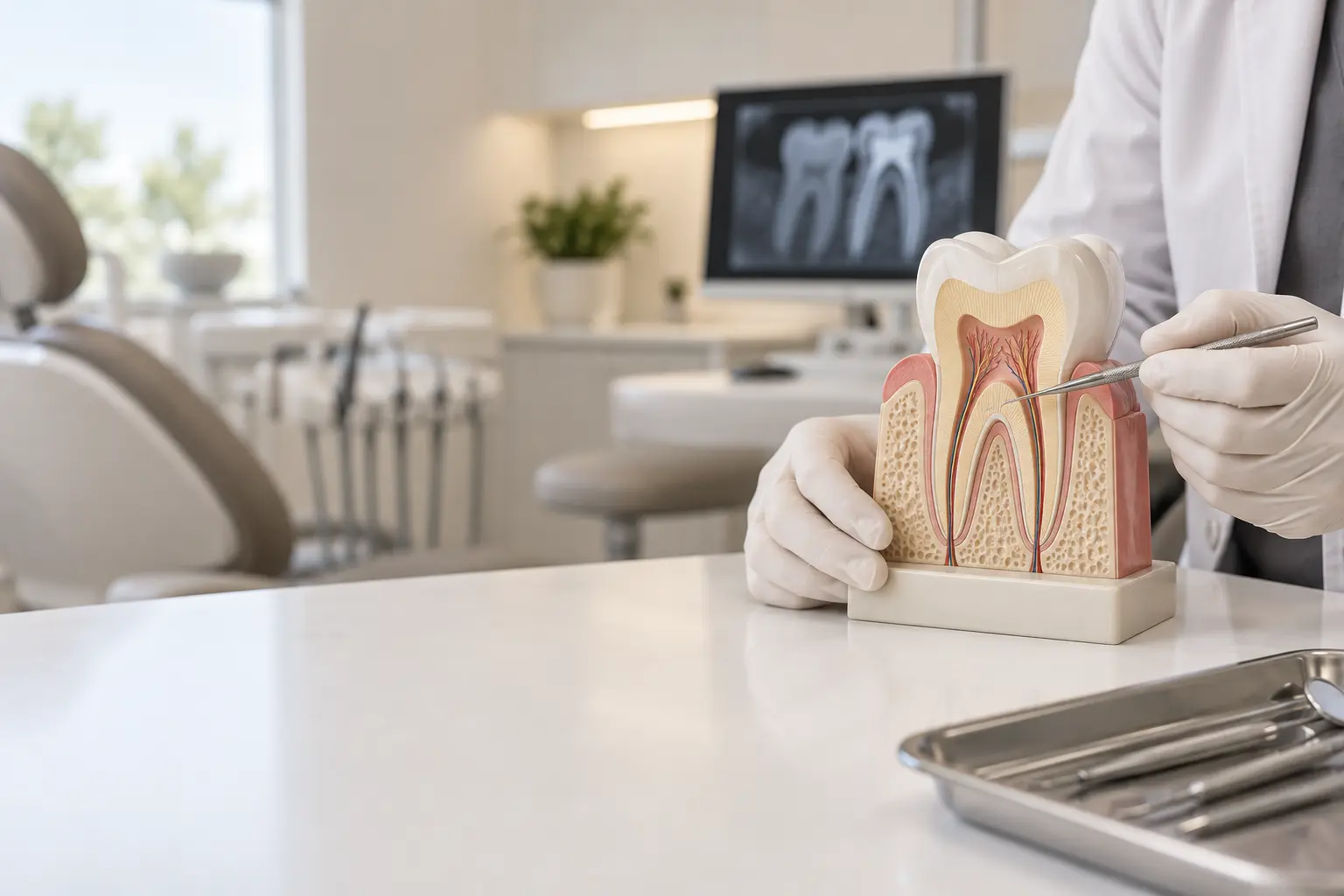
Root Canal TreatmentDo You Need a Root Canal? 7 Signs You Shouldn’t Ignore
Severe biting pain, lingering hot or cold sensitivity, swelling, a gum pimple, a cracked tooth, deep decay, or persistent pressure can be signs that the pulp inside a tooth is inflamed or infected. Only an examination can confirm whether root canal treatment is needed.
Read the guide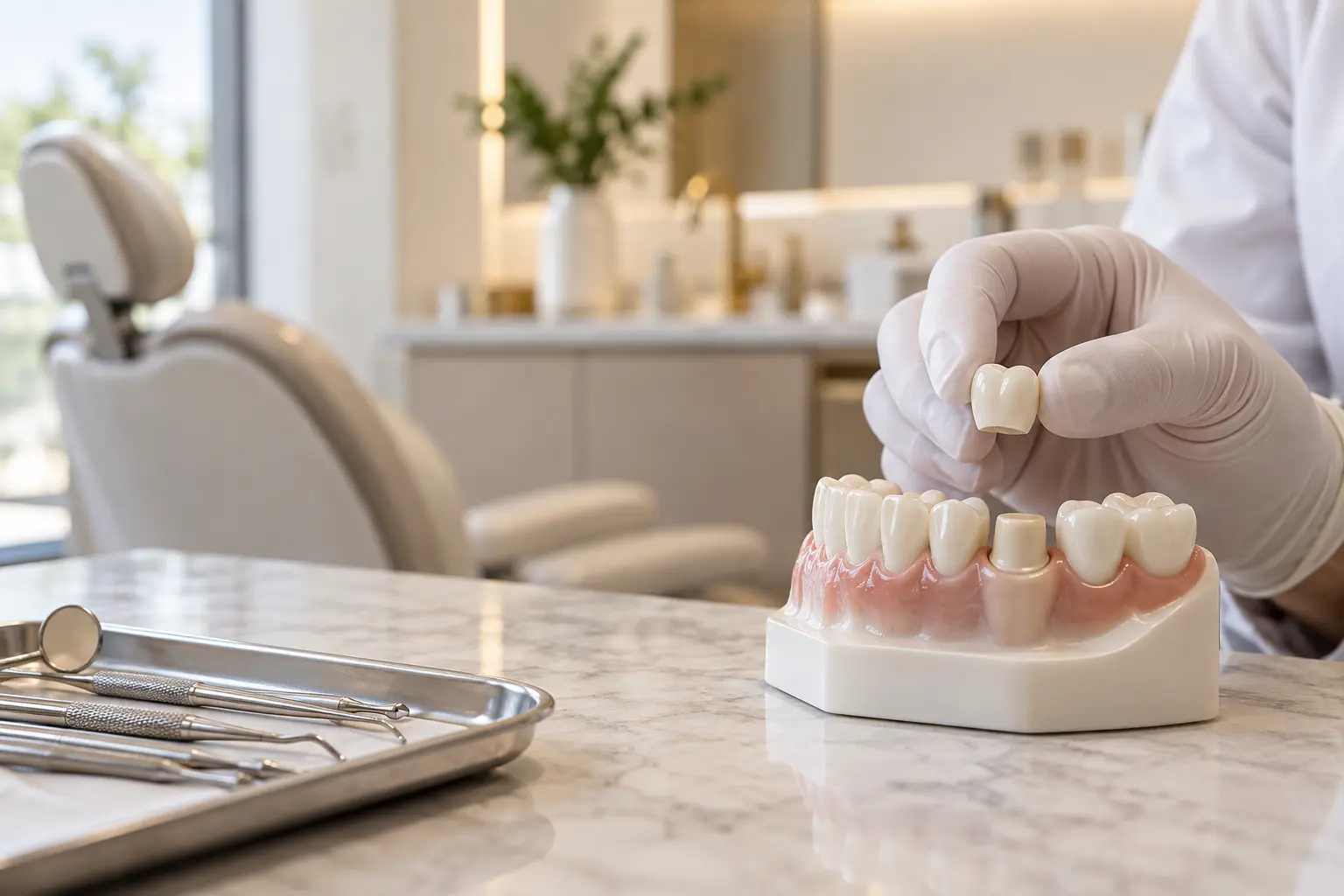 Restorative Dentistry
Dental Crown vs. Filling: Which Treatment Is Right for a Damaged Tooth?
A filling repairs a smaller area of damaged tooth structure, while a crown covers and protects much more of the tooth. The better option depends on how much healthy tooth remains, where the damage is, and how the tooth functions in your bite.
Read the guide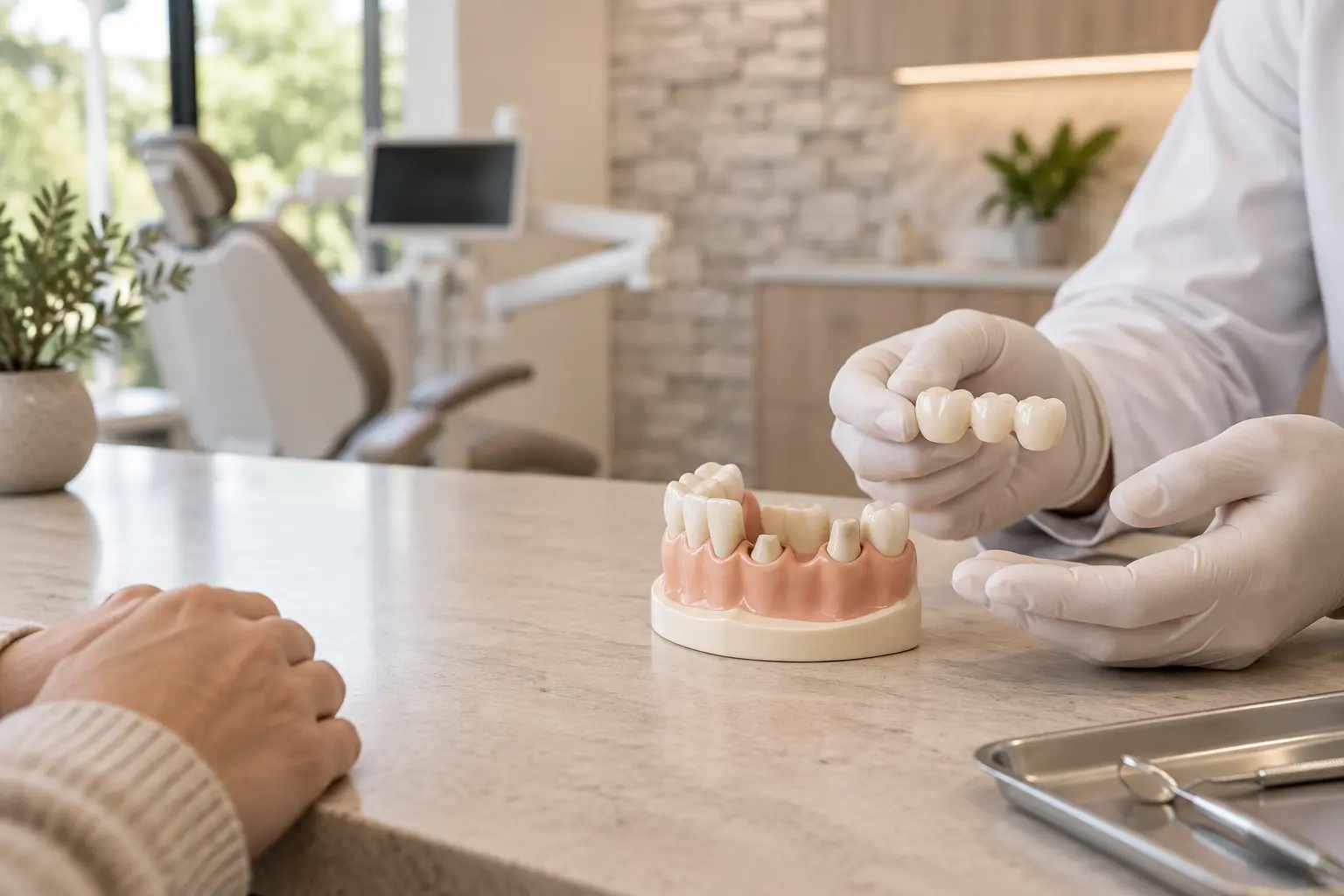 Tooth Replacement
What Are the Best Options for Replacing Missing Teeth?
The main ways to replace missing teeth include dental implants, fixed bridges, and removable dentures or partial dentures. The best option depends on how many teeth are missing, the condition of neighboring teeth, bone and gum health, your bite, and your preferences.
Read the guide