Cosmetic Dentistry
Professional Teeth Whitening vs. At-Home Whitening: What’s the Difference?
Professional and at-home whitening can both use peroxide-based bleaching agents, but they differ in supervision, concentration, delivery, fit, and how treatment is selected for the cause of discoloration.
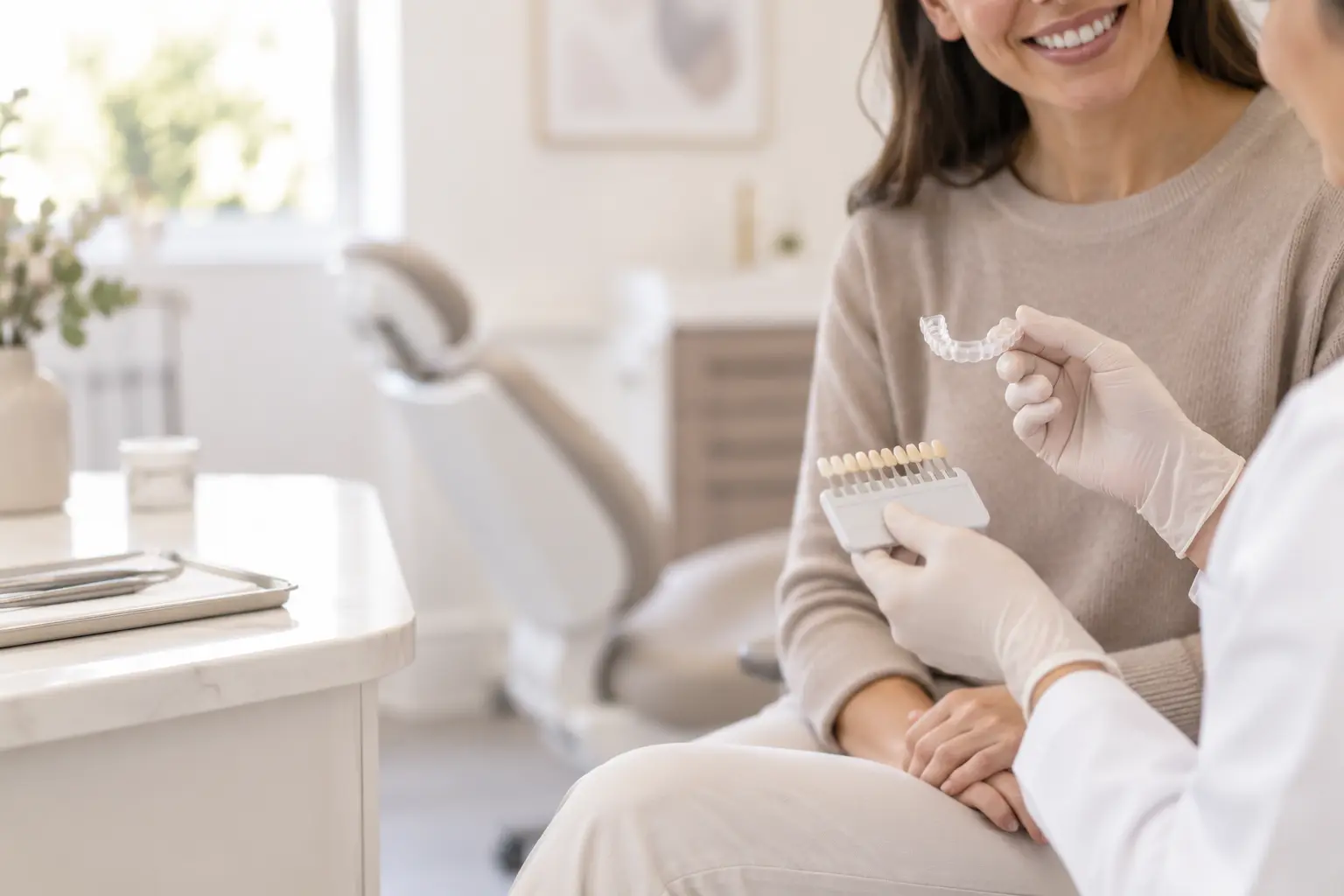
Professional and at-home teeth whitening can both lighten natural teeth, but they are not identical treatments. Dentist-supervised whitening may be performed in the office or with professionally supplied take-home trays, while over-the-counter products include strips, gels, toothpastes, and rinses. The best choice depends on the type of discoloration, your sensitivity, existing dental work, oral health, and the amount of change you want.
Before whitening, a dental examination can help determine why a tooth or smile has changed color. Magnolia Dentistry’s teeth whitening service is designed around that evaluation rather than assuming every stain responds the same way.
How teeth whitening works
Most bleaching products use hydrogen peroxide or carbamide peroxide. These agents move through tooth structure and change the molecules that contribute to discoloration. Whitening toothpastes work differently: many rely mainly on abrasives to remove surface stain rather than significantly changing the internal color of the tooth.
The American Dental Association notes that whitening can affect both extrinsic and intrinsic discoloration depending on the method, but the cause of the discoloration influences how much change is possible. A tooth darkened by internal trauma, for example, is a different problem from surface staining from coffee or tea.
Professional in-office whitening
In-office whitening is performed under dental supervision using a system selected for the patient. The gums and soft tissues can be protected, the teeth can be monitored, and the dentist can respond if sensitivity becomes significant. The treatment uses a controlled professional protocol rather than a consumer deciding how much product to use or how long to leave it on.
The advantage is not simply “stronger is better.” Supervision also means the dentist can identify restorations, cracks, exposed roots, gum inflammation, or other reasons a person may need a modified plan or a different treatment.
Dentist-supervised take-home whitening
Professional take-home whitening usually uses a dentist-selected bleaching gel and trays designed for the teeth. It is still done at home, but the product, fit, schedule, and follow-up are guided by the dental office. This can offer more control than a one-size-fits-all over-the-counter tray.
Take-home treatment also allows whitening to occur more gradually. For people prone to sensitivity, a slower schedule may be easier to modify, although sensitivity can still occur.
Over-the-counter whitening strips and gels
OTC whitening strips and gels can be effective when used according to their instructions. The ADA notes that many use peroxide at lower concentrations than professional in-office or prescribed take-home systems. Some OTC whitening strips carry the ADA Seal of Acceptance, which means the manufacturer has provided evidence meeting the program’s requirements for safety and effectiveness when used as directed.
The limitation is that an OTC product does not diagnose the cause of discoloration. If one tooth is much darker than the others, if you have untreated cavities, or if your gums are inflamed, whitening may not be the right first step.
Whitening toothpastes: useful, but different
Whitening toothpaste mainly helps remove external surface stain through polishing ingredients. It can make a smile look cleaner when staining is superficial, but it is not the same as bleaching the natural internal tooth color with peroxide. Excessive abrasive use is not a shortcut to a whiter smile.
Professional vs. at-home whitening comparison
| Feature | Professional / dentist-supervised | Over-the-counter |
|---|---|---|
| Assessment first | Dental health and restorations can be reviewed before treatment | No clinical examination is built into purchase |
| Delivery | In-office application or professionally supplied trays | Strips, generic trays, gels, toothpastes, rinses |
| Product selection | Chosen with dental history and sensitivity in mind | Consumer selects from available products |
| Monitoring | Dentist can adjust treatment if sensitivity or gum irritation occurs | User follows label directions and seeks care if problems develop |
| Restorations | Color mismatch with crowns, veneers, or fillings can be planned for | Product still will not whiten restorations |
| Convenience | Requires a dental visit for planning or treatment | Widely available for home use |
Will whitening work on crowns, veneers, or bonding?
No. Bleaching agents change the color of natural tooth structure, not porcelain, ceramic, composite bonding, or tooth-colored fillings. If your front teeth contain restorations, whitening the surrounding enamel can create a color mismatch.
This is especially important when planning veneers or dental bonding. If you want your natural teeth lighter, whitening is often discussed before shade-sensitive restorations so the final materials can be matched to the post-whitening color.
What causes sensitivity during whitening?
Temporary tooth sensitivity and gum irritation are among the most common adverse effects of whitening. Sensitivity can occur because peroxide penetrates the tooth and affects the pulp response. Gum irritation can occur when bleaching material contacts soft tissue.
Do not respond by automatically increasing or decreasing products without guidance. If sensitivity is strong, persistent, or localized to one tooth, stop and ask a dentist whether there may be an underlying problem.
What about “natural” whitening hacks?
Acidic ingredients, abrasive powders, and social-media DIY mixtures can damage enamel or irritate gums without predictably whitening teeth. “Natural” does not mean harmless. The ADA specifically cautions that DIY dental trends can be ineffective or harmful.
How long do whitening results last?
Whitening is not permanent. Coffee, tea, wine, tobacco, aging, and other factors can gradually affect tooth color again. Maintenance varies by person and product. The goal should not be to bleach continuously; it is to use a safe schedule and reassess when the desired color or sensitivity limit is reached.
When should you see a dentist before whitening?
- One tooth is much darker than neighboring teeth
- You have active tooth pain or significant sensitivity
- Gums are bleeding, swollen, or sore
- You have untreated cavities, cracks, or failing restorations
- Front teeth contain crowns, veneers, or bonding that may not match afterward
- You are unsure whether staining is surface, internal, or related to a dental problem
If improving the smile involves more than color, a cosmetic dentistry consultation can compare whitening with alignment, bonding, veneers, or simply leaving healthy teeth unchanged.
How long does whitening take?
There is no single whitening timeline. An in-office system may be delivered in a concentrated appointment, while take-home trays or strips are used over a series of days or weeks according to their instructions. The starting shade, cause of discoloration, product, sensitivity, and desired result all affect how long someone continues treatment.
More exposure is not always better. Once sensitivity becomes significant or the teeth have reached a reasonable shade change, continuing to bleach simply to chase a lighter color can create unnecessary irritation. Follow the prescribed or labeled schedule and discuss additional treatment rather than extending it indefinitely.
Who should have a dental examination before choosing a whitening product?
An examination is particularly useful when you have a dark single tooth, untreated cavities, cracked teeth, significant sensitivity, gum recession, bleeding gums, or visible front-tooth restorations. Whitening may still be possible, but the diagnosis and sequence matter. A painful tooth should not be treated as a cosmetic color problem.
How should you compare whitening products?
- Check whether the product is intended to bleach natural teeth or mainly remove surface stain
- Follow the manufacturer’s wear time and do not combine products simply to increase strength
- Look for evidence-based safety information such as the ADA Seal where applicable
- Consider whether the tray or strip design keeps gel away from the gums
- Stop and seek dental advice for significant pain, persistent gum irritation, or one tooth that reacts very differently from the others
What affects whitening cost?
Professional in-office whitening, dentist-supervised take-home systems, and consumer products have different costs because the products, supervision, and delivery are different. Magnolia Dentistry does not publish a universal whitening price on the current website, so this guide does not quote one. If budget is part of your decision, ask what the proposed fee includes and whether follow-up or take-home material is part of the plan.

COMMON QUESTIONS
Questions patients often ask
Is professional teeth whitening stronger than strips?
Professional systems can use different concentrations and delivery methods, but the key difference is also dental supervision, tissue protection, and the ability to plan around sensitivity and restorations.
Can whitening damage enamel?
Approved whitening methods used as directed are designed for dental use, but misuse, excessive frequency, or abrasive DIY methods can irritate tissues or damage tooth surfaces. Follow product or dentist instructions.
Why are my teeth sensitive after whitening?
Temporary sensitivity is a common whitening side effect. If it is severe, persistent, or limited to one tooth, stop and ask a dentist for advice.
Can I whiten teeth with fillings or crowns?
You can whiten surrounding natural teeth, but fillings, crowns, veneers, and bonding will not change color the same way.
Should I whiten before veneers or bonding?
Often, desired whitening is discussed before shade-matched cosmetic restorations because the restoration color can then be selected to match the lighter natural teeth.
Sources and further reading
These professional resources support the general dental information in this article. They do not replace an examination with your dentist.
YOUR NEXT STEP
Thinking about whitening your teeth?
Magnolia Dentistry can check for decay, gum concerns, sensitivity, and existing restorations before you whiten, then discuss professional or at-home options that fit your teeth and goals.
 Cosmetic Dentistry
Dental Veneers vs. Bonding: Which Is Better for Improving Your Smile?
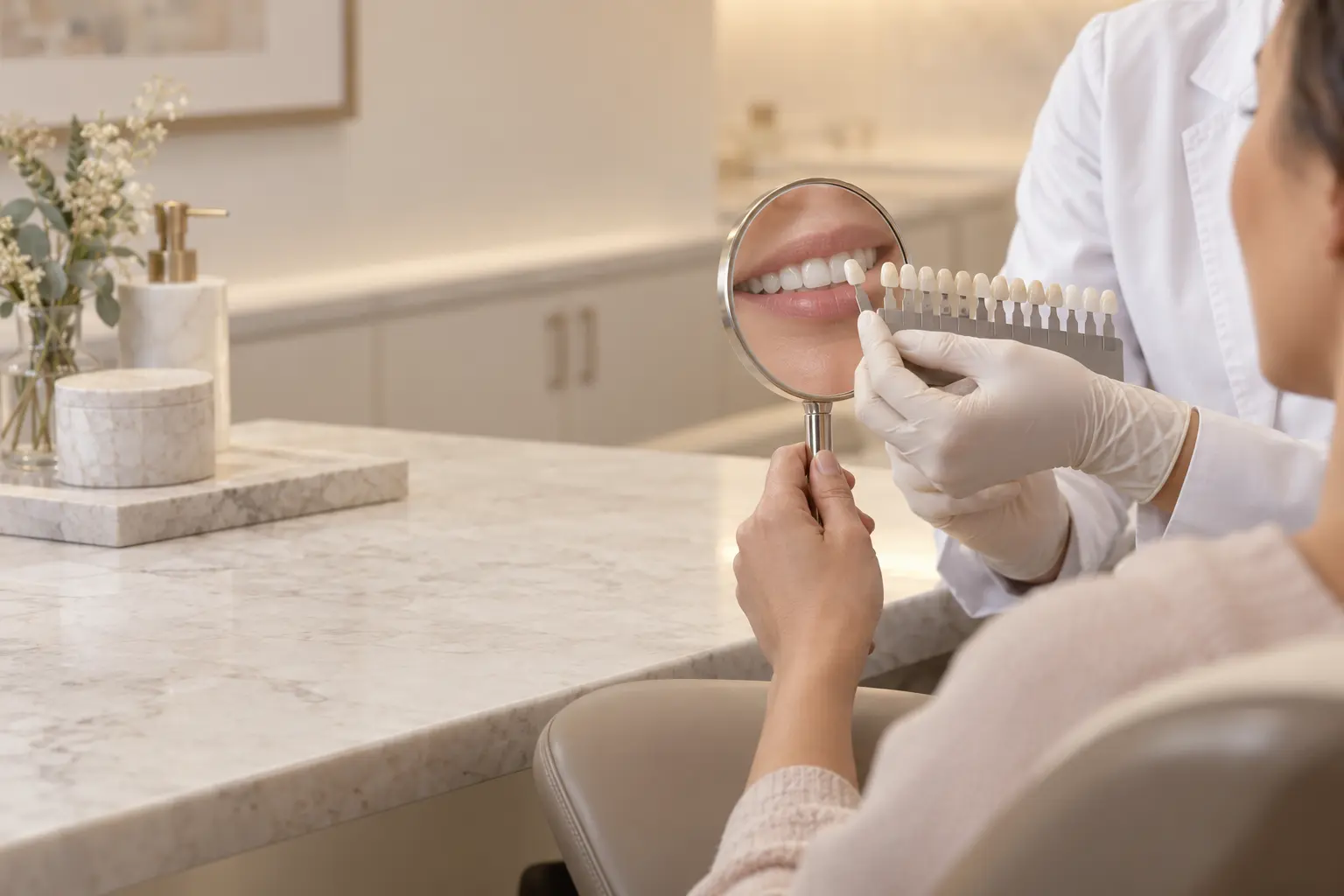
Bonding and veneers can both change the appearance of selected teeth, but they do it differently. Bonding uses tooth-colored composite applied directly to the tooth, while a veneer covers the front surface with composite or porcelain.
Read the guide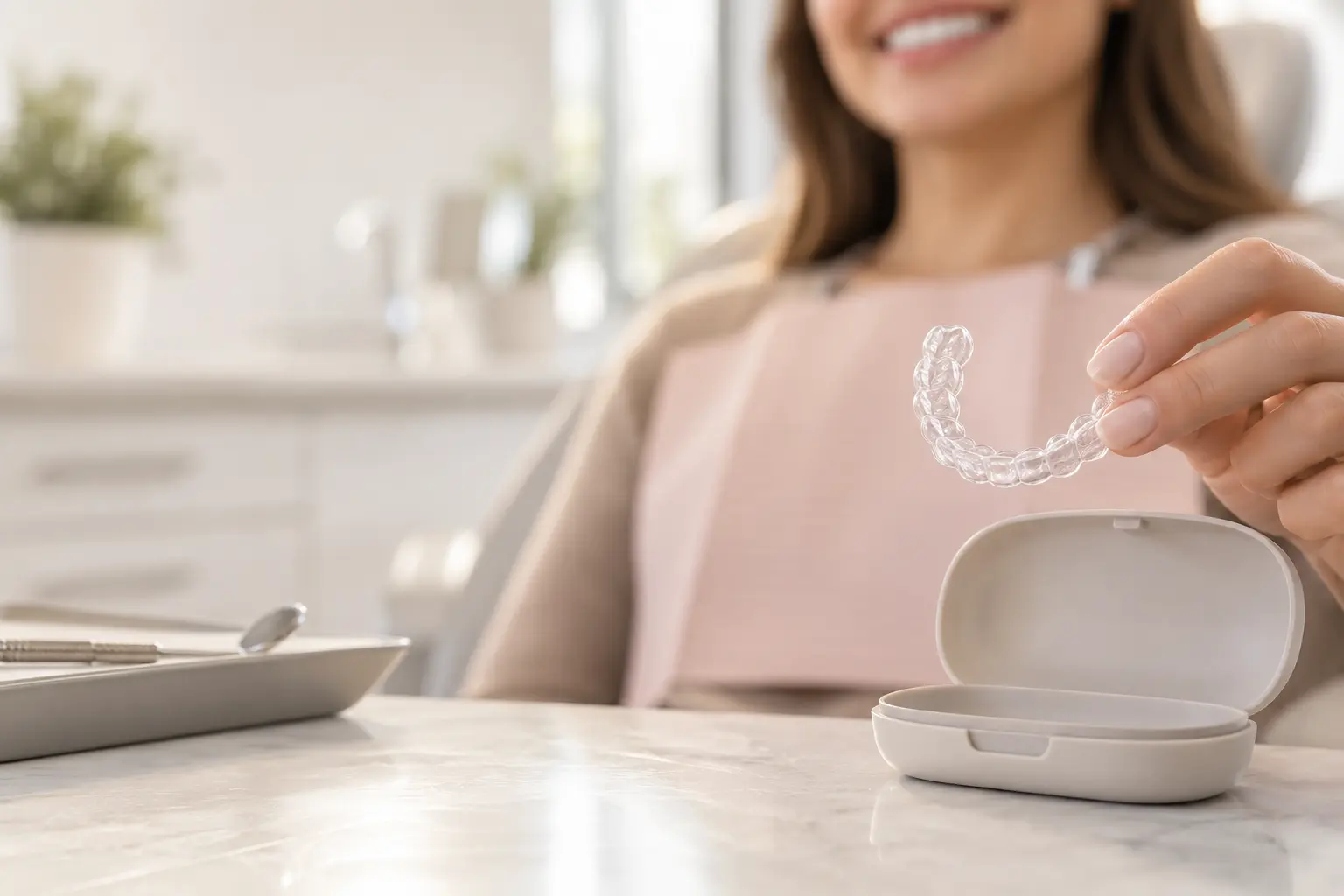 Invisalign
How Long Does Invisalign Take? A Complete Guide for Burbank Patients
Invisalign treatment is measured in months, not days, and there is no single timeline for every smile. Mild alignment concerns may take under a year, while more complex bite correction can take considerably longer.
Read the guide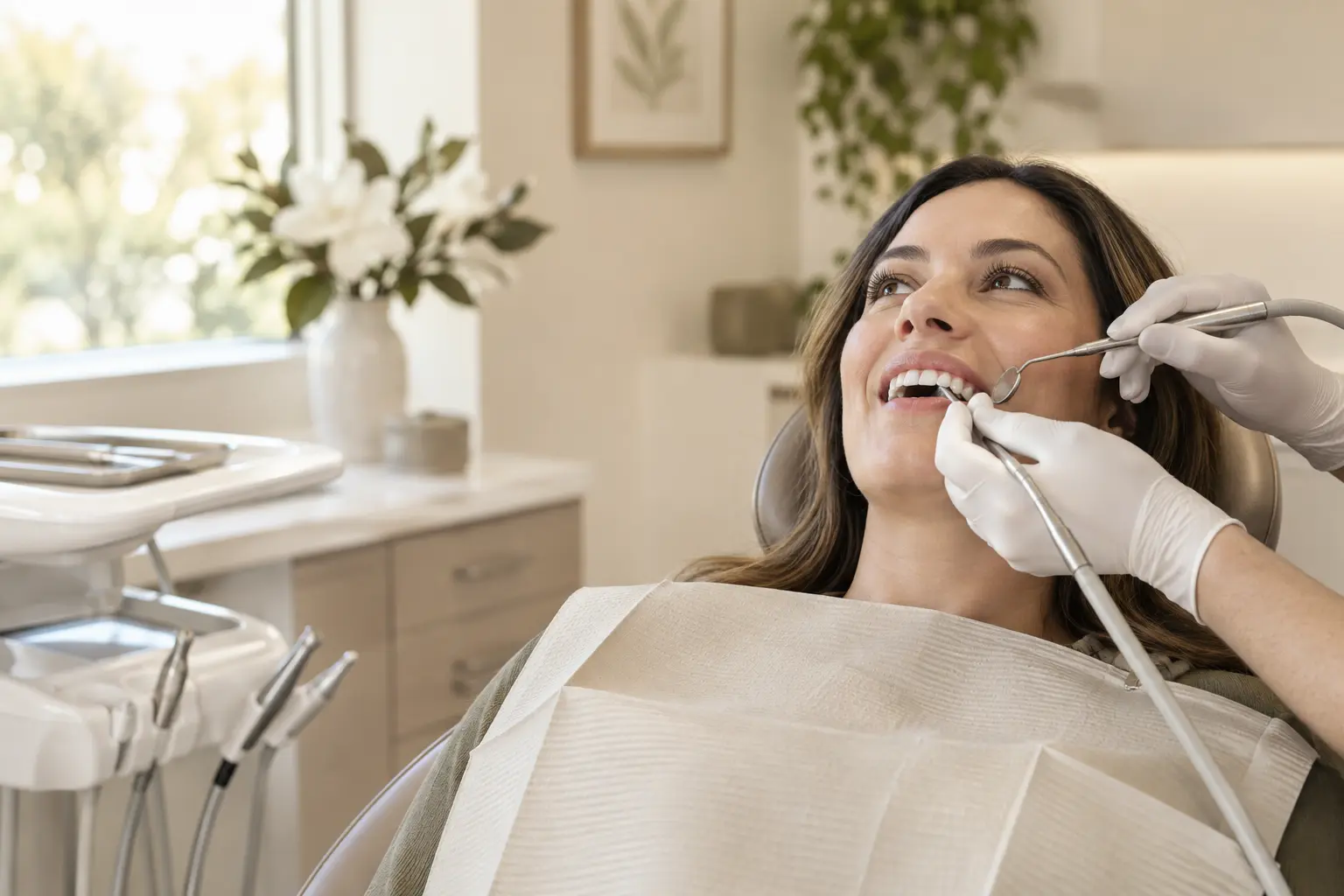 Preventive Dentistry
How Often Should You Get a Dental Cleaning and Checkup?
There is no single cleaning schedule that is right for every person. Some patients do well with one or two routine visits a year, while others need more frequent professional care because of gum disease, decay risk, medical factors, or active treatment.
Read the guide