Root Canal Treatment
Do You Need a Root Canal? 7 Signs You Shouldn’t Ignore
Severe biting pain, lingering hot or cold sensitivity, swelling, a gum pimple, a cracked tooth, deep decay, or persistent pressure can be signs that the pulp inside a tooth is inflamed or infected. Only an examination can confirm whether root canal treatment is needed.
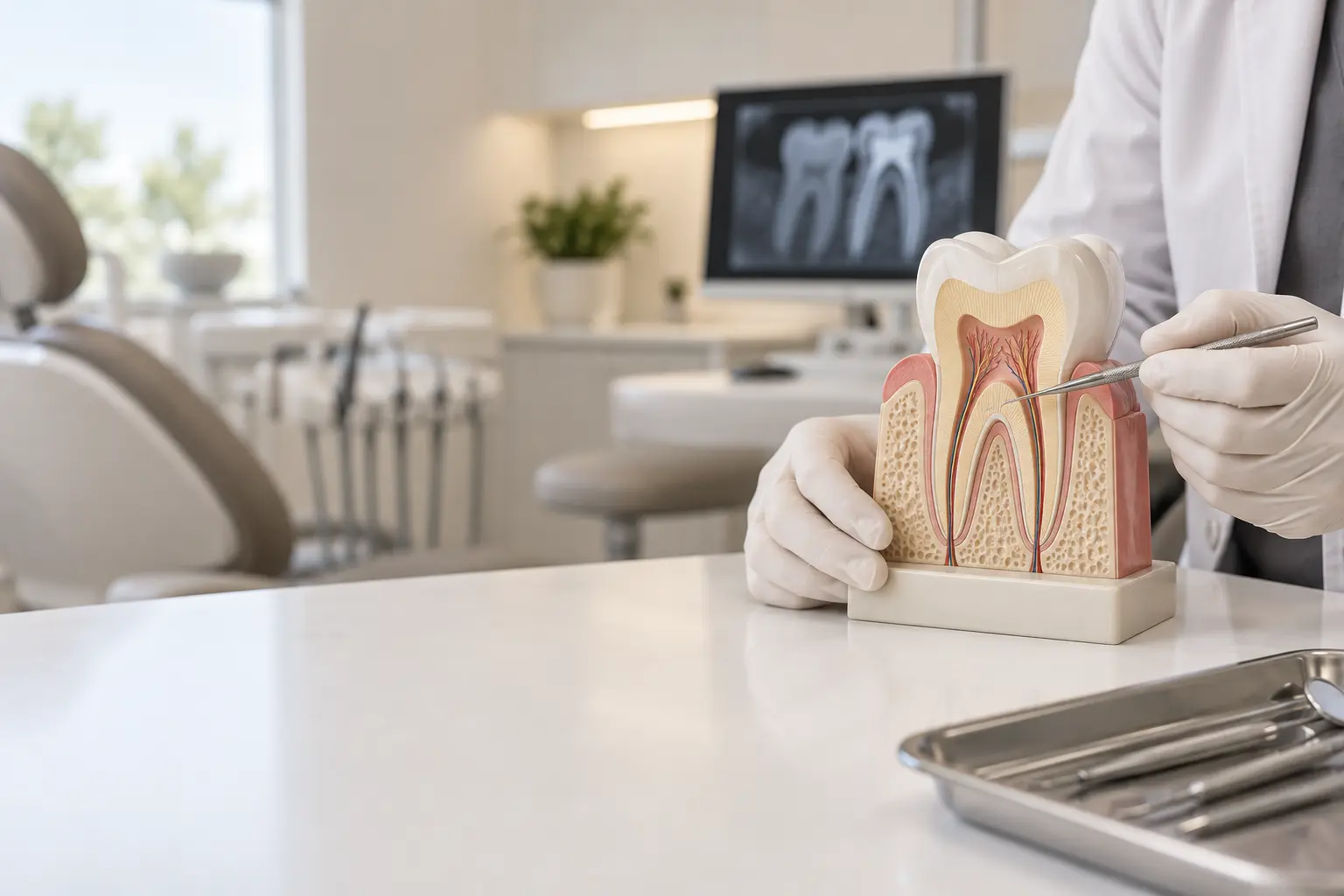
You may need root canal treatment when the pulp inside a tooth becomes inflamed, infected, or irreversibly damaged. Common warning signs include severe pain with chewing, lingering sensitivity to hot or cold, swelling, a pimple-like bump on the gum, a cracked tooth, deep decay, or persistent pressure around a tooth. These signs do not diagnose the problem by themselves, because cracks, gum disease, sinus problems, grinding, and other conditions can cause similar symptoms.
If you are experiencing tooth pain in Burbank, Magnolia Dentistry’s root canal treatment page explains how the tooth is assessed and why treatment aims to preserve a natural tooth when that is appropriate.
What is a root canal actually treating?
Inside each tooth is a soft tissue called the pulp, containing nerves, blood vessels, and connective tissue. Deep decay, cracks, trauma, or repeated dental work can irritate or infect this tissue. Root canal treatment removes the affected pulp, cleans and shapes the inside of the root system, and seals the space. The tooth then needs an appropriate final restoration.
The decision is not based on pain alone. A dentist combines your symptoms with examination findings, tests of the tooth, bite response, gum assessment, and dental imaging. Some painful teeth do not need root canal treatment, and some teeth that do need treatment may have surprisingly little pain.
Sign 1: severe pain when chewing or biting
Sharp or deep pain when biting can come from decay, a crack, a loose restoration, or damage to the pulp. The American Association of Endodontists lists severe pain while chewing or biting among symptoms that can occur when root canal treatment is needed.
Biting pain is especially worth investigating when it keeps returning in the same tooth, becomes more intense, or is accompanied by lingering sensitivity or swelling. Do not keep testing a painful tooth by chewing harder on it.
Sign 2: lingering sensitivity to hot or cold
A quick cold sensation that stops immediately can happen for many reasons, including exposed root surfaces or minor sensitivity. More concerning is discomfort that lingers after the hot or cold stimulus is removed, particularly when the sensation lasts well beyond the initial contact or becomes spontaneous.
The AAE distinguishes momentary sensitivity from prolonged temperature pain because lingering symptoms may indicate more significant pulp damage. The duration, severity, and whether the pain occurs without a trigger all help guide diagnosis.
Sign 3: swelling around a tooth or in the face
Swelling can be a sign that infection has moved beyond the inside of the tooth into surrounding tissues. It may appear as a small localized swelling near the gum or a larger area in the cheek or jaw. A bad taste, tenderness, fever, or difficulty opening the mouth can occur as well.
Sign 4: a pimple or bump on the gum
A small pimple-like bump on the gum near a tooth can be a drainage pathway from infection. It may release fluid, shrink, and then return. Because the pressure can temporarily decrease when it drains, pain may improve even though the source remains.
A recurring gum bump should be examined rather than squeezed or punctured at home. Treatment depends on whether the source is the tooth, the gum tissues, or another condition.
Sign 5: a chipped or cracked tooth with new symptoms
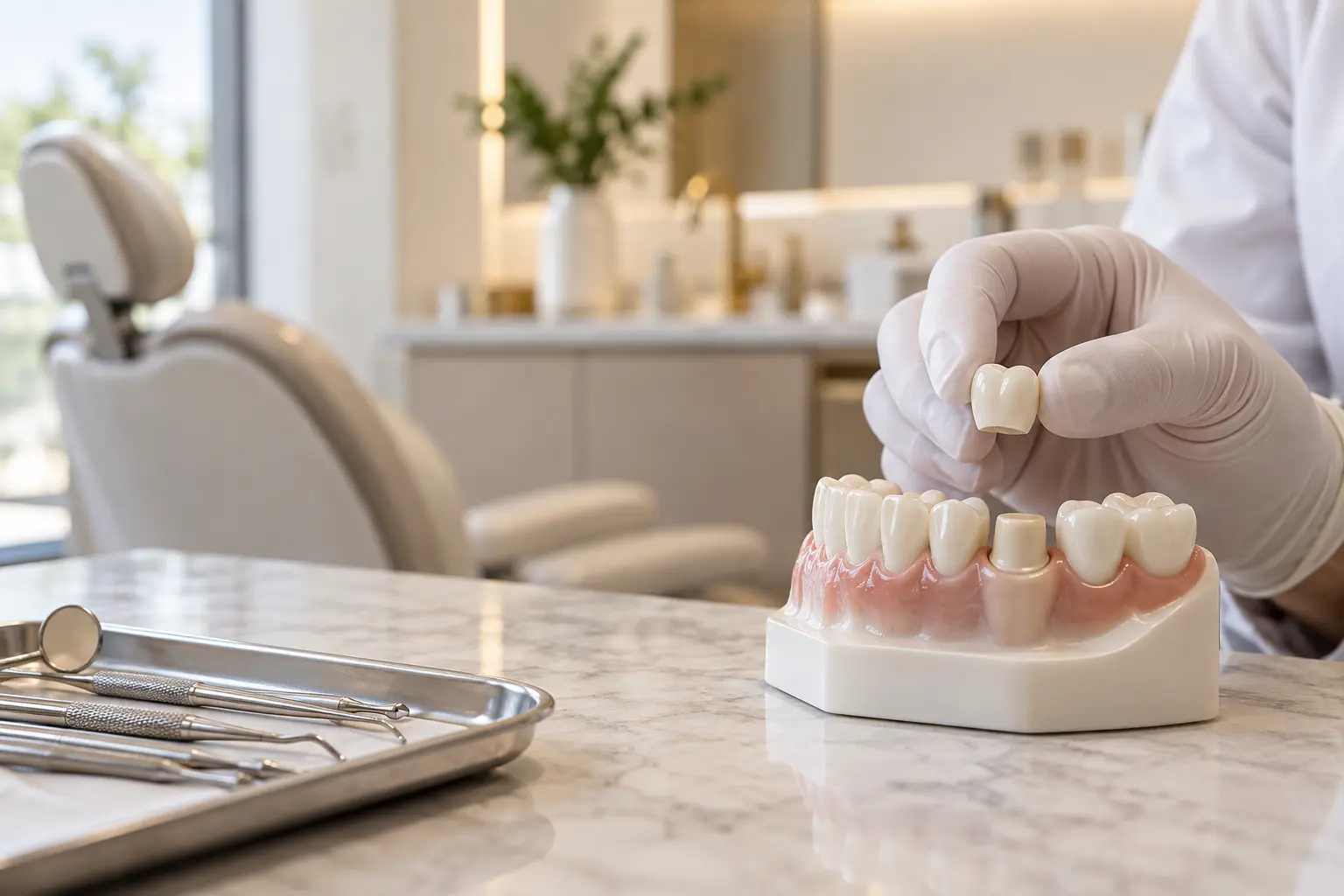
A crack can create a pathway toward the pulp and can also allow parts of the tooth to flex painfully during chewing. Some cracked teeth can be restored with a dental crown. Others have pulp damage that requires root canal treatment before the final restoration. A crack that extends too deeply may make the tooth non-restorable.
That is why a cracked tooth cannot be diagnosed by asking whether it needs “a crown or a root canal.” The guide comparing a crown and filling explains the structural side of the decision, while pulp testing addresses whether the nerve tissue also needs treatment.
Sign 6: deep decay or a very large restoration
Decay that extends close to or into the pulp can cause inflammation and infection. A tooth with a large old filling can also have less remaining structure and may have experienced repeated irritation over time. Not every deep cavity requires root canal treatment, but the closer the problem is to the pulp, the more carefully the tooth needs to be assessed.
Sign 7: persistent pressure, throbbing, or pain that wakes you
Spontaneous throbbing or pressure that continues without chewing or temperature stimulation can indicate significant inflammation or infection. Pain that interferes with sleep deserves prompt evaluation. However, tooth pain can also be referred from grinding, sinus pressure, jaw muscles, or neighboring teeth, so location alone is not enough for diagnosis.
Seven signs at a glance
| Possible sign | Why it matters | What to do |
|---|---|---|
| Severe pain on biting | May reflect decay, a crack, loose restoration, or pulp damage | Arrange dental assessment |
| Lingering hot/cold sensitivity | Can indicate deeper pulp inflammation | Note how long the pain lasts and get evaluated |
| Swelling | May indicate infection beyond the tooth | Call promptly; seek emergency medical care for airway symptoms |
| Gum pimple | Can be a drainage pathway from infection | Do not squeeze it; arrange examination |
| Cracked tooth | Cracks can irritate or expose pulp tissue | Avoid chewing on it and have it assessed |
| Deep decay or large restoration | The pulp may be close to the damaged area | Dental testing and imaging may be needed |
| Spontaneous throbbing or pressure | Persistent pulp inflammation or infection is possible | Seek prompt dental evaluation |
What tests help determine whether a root canal is needed?
A dentist may compare the painful tooth with neighboring teeth using temperature testing, percussion or biting tests, palpation, gum measurements, and dental imaging. The goal is to identify whether the pulp is healthy, reversibly irritated, irreversibly inflamed, or no longer vital—and whether the surrounding tissues are involved.
Sometimes symptoms point to a tooth that is not the true source. Testing several teeth can prevent treatment of the wrong tooth.
Does root canal treatment hurt?
Modern root canal treatment is performed with local anesthesia. The AAE notes that some soreness or sensitivity can occur for a few days afterward, especially if infection or inflammation was present before treatment. No dentist can promise a completely pain-free experience, but pain control is part of routine care.
What happens after a root canal?
The tooth needs a durable final seal and, in many cases, a restoration that protects weakened structure. Back teeth or teeth with large restorations often need a crown, but the exact restoration depends on the remaining tooth. Follow-up also checks that symptoms are resolving and the tooth is functioning properly.
When is tooth extraction considered instead?
Root canal treatment is intended to preserve a tooth that can still be restored. If a fracture extends too far, there is insufficient healthy structure, periodontal support is poor, or another problem makes predictable restoration unlikely, tooth extraction may be discussed. If removal becomes necessary, replacement options can be planned before or after extraction depending on the situation.
When should tooth pain be treated as urgent?
Call promptly for severe pain, facial swelling, dental trauma, a knocked-out tooth, or symptoms that are rapidly worsening. Magnolia Dentistry’s dental emergency guide explains first-aid steps and which warning signs require emergency medical care instead of waiting for a dental visit.
Root canal treatment versus extraction
When a tooth has pulp damage, the decision is not automatically “root canal or nothing.” The first question is whether the tooth can be restored predictably. If enough sound structure and periodontal support remain, root canal treatment can preserve the natural tooth. If a deep fracture, severe structural loss, or poor support makes the tooth non-restorable, extraction may be the more appropriate option.
If extraction is discussed, ask what would happen to the space afterward and whether replacement is necessary for your bite and function. The guide to options for replacing missing teeth explains the main implant, bridge, and removable approaches without assuming one is right for everyone.
COMMON QUESTIONS
Questions patients often ask
Can a root canal be needed without pain?
Yes. A tooth can lose vitality or develop infection with little pain. X-rays, examination, discoloration, swelling, or a gum drainage tract may reveal a problem even when the tooth is not very painful.
Can antibiotics replace a root canal?
Antibiotics do not remove infected or irreversibly damaged pulp from inside a tooth. They may be prescribed in selected situations, but definitive treatment of the source is still necessary.
How long does root canal recovery take?
Mild tenderness for a few days can occur. Many people return to normal activities quickly, but your own recovery depends on the tooth and the condition before treatment.
Does every cracked tooth need a root canal?
No. Some cracks are limited to outer tooth structure. Root canal treatment is considered when the pulp is affected and the tooth remains restorable.
What happens if I delay treatment for an infected tooth?
An untreated infection can worsen or spread to surrounding tissues. If you have swelling, severe pain, fever, or rapidly worsening symptoms, seek prompt care.
Sources and further reading
These professional resources support the general dental information in this article. They do not replace an examination with your dentist.
YOUR NEXT STEP
Persistent tooth pain or lingering sensitivity?
Magnolia Dentistry can evaluate the tooth, identify the likely source of your symptoms, and discuss whether root canal treatment, another restoration, or a different approach may be appropriate.
 Emergency Dentistry
What Should You Do During a Dental Emergency in Burbank?
During a dental emergency, call a dentist as soon as possible, protect the injured area, and avoid home remedies that can make the situation worse. Trouble breathing or swallowing, uncontrolled bleeding, or another life-threatening problem requires emergency medical care.
Read the guideRestorative DentistryDental Crown vs. Filling: Which Treatment Is Right for a Damaged Tooth?
A filling repairs a smaller area of damaged tooth structure, while a crown covers and protects much more of the tooth. The better option depends on how much healthy tooth remains, where the damage is, and how the tooth functions in your bite.
Read the guide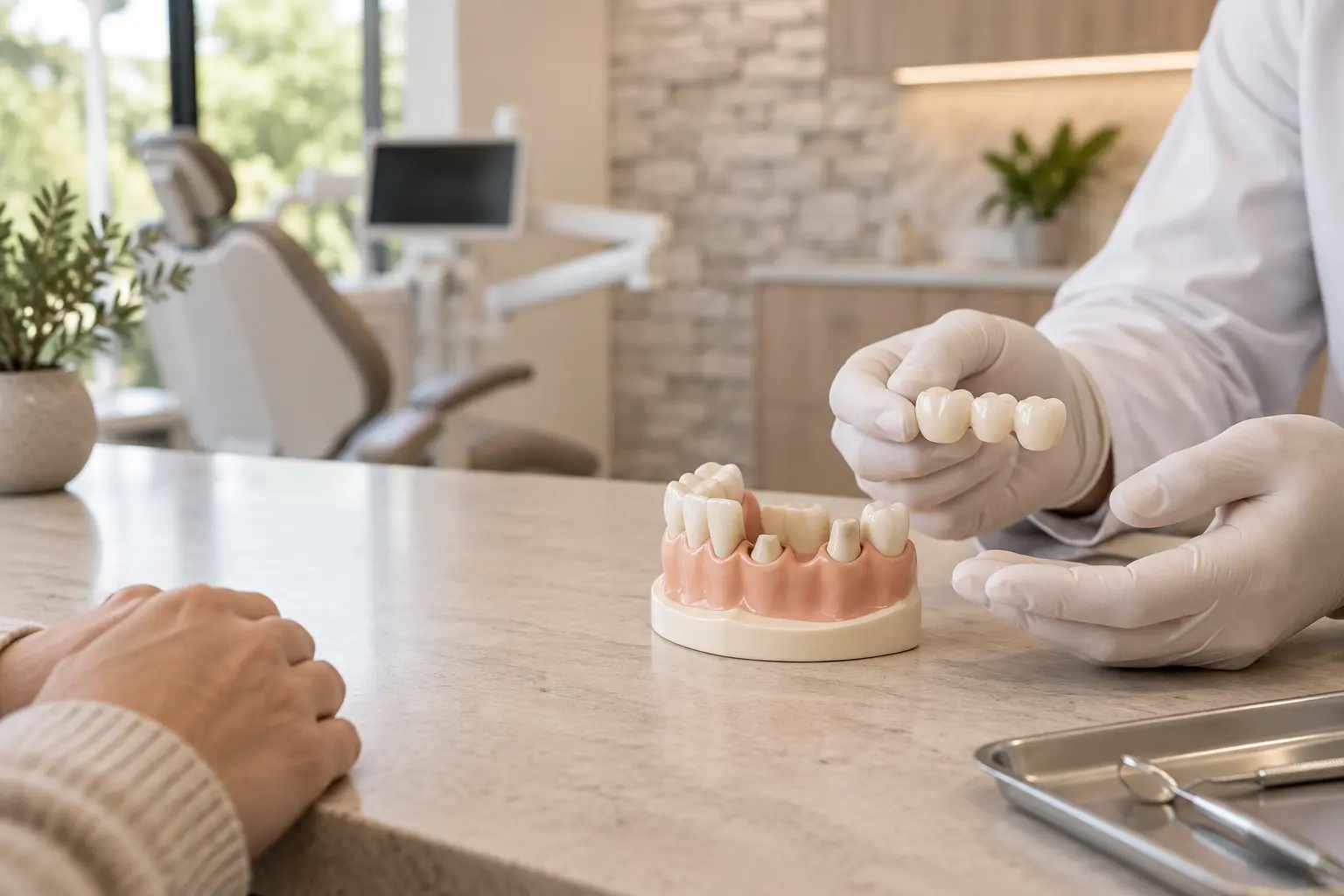 Tooth Replacement
What Are the Best Options for Replacing Missing Teeth?
The main ways to replace missing teeth include dental implants, fixed bridges, and removable dentures or partial dentures. The best option depends on how many teeth are missing, the condition of neighboring teeth, bone and gum health, your bite, and your preferences.
Read the guide