Cosmetic Dentistry
Dental Veneers vs. Bonding: Which Is Better for Improving Your Smile?
Bonding and veneers can both change the appearance of selected teeth, but they do it differently. Bonding uses tooth-colored composite applied directly to the tooth, while a veneer covers the front surface with composite or porcelain.
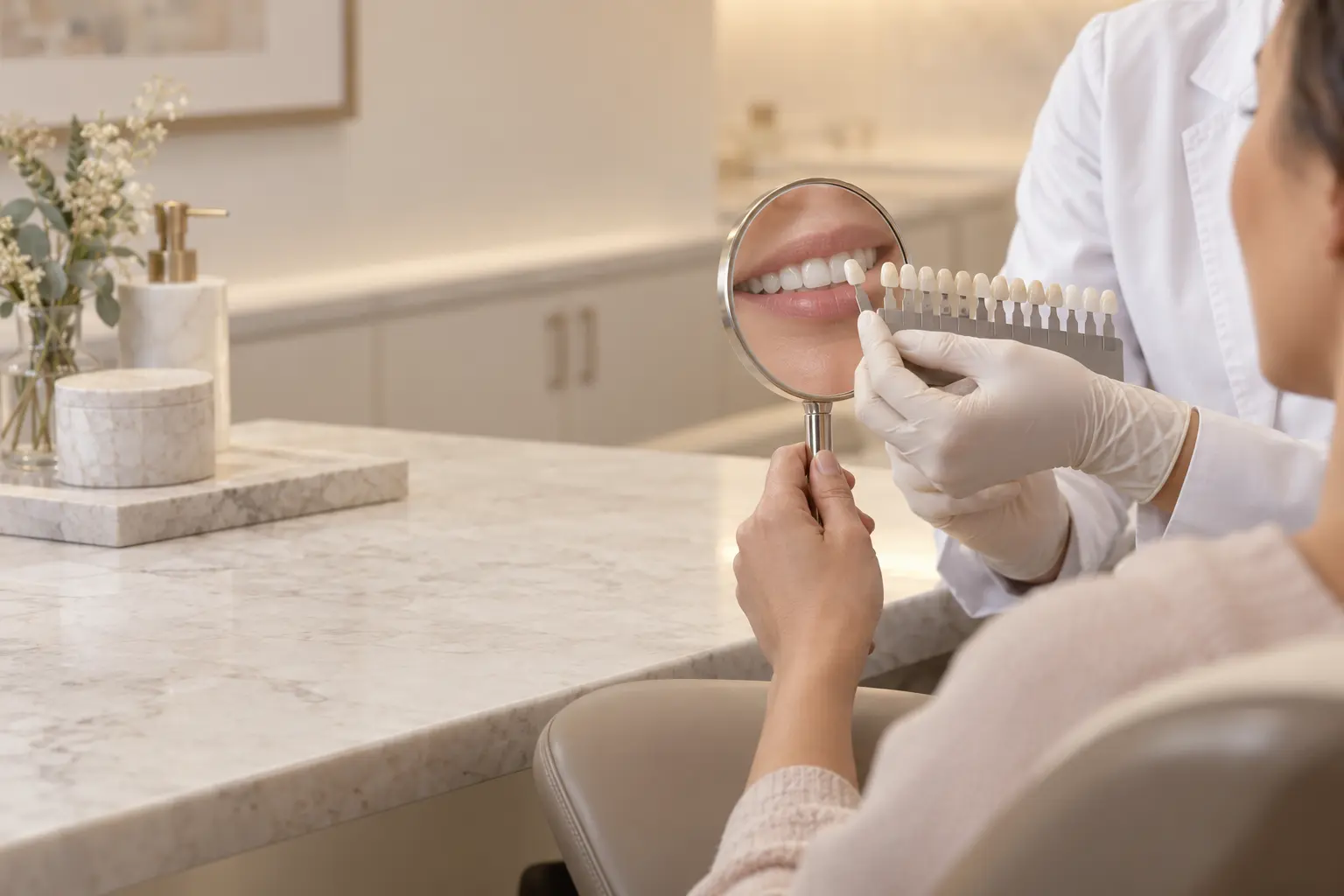
Veneers and dental bonding can both improve the appearance of selected teeth, but “which is better” depends on the change you want, the condition of the teeth, your bite, your maintenance expectations, and how much tooth preparation is appropriate. Bonding uses tooth-colored composite placed and shaped directly on the tooth. A veneer covers the front surface of a tooth and may be made from porcelain or composite.
For a small chip or modest shape change, dental bonding may offer a conservative solution. For a broader or more durable change to shape, proportion, or color, dental veneers may be considered. A cosmetic consultation should also check for decay, gum disease, grinding, and bite problems before either option is chosen.
What is dental bonding?
Dental bonding uses a tooth-colored resin material that is applied, shaped, hardened, and polished directly on a tooth. It can be useful for small chips, worn edges, minor gaps, or localized shape changes. Because the material is placed directly, treatment is often relatively conservative and may require little or no enamel removal depending on the case.
Composite can be repaired or added to more easily than porcelain, but it can also stain, wear, or chip over time. The size of the bonded area and the forces on the tooth affect how it performs.
What is a veneer?
A veneer is a thin restoration placed over the front surface of a tooth. Porcelain veneers are fabricated separately and then bonded to prepared teeth. Composite veneers may be shaped directly. The ADA notes that porcelain veneer treatment commonly involves removal of a small amount of enamel, making the treatment irreversible once that preparation has been performed.
Veneers can change tooth color, shape, size, and proportions, but they do not make an unhealthy tooth healthy. Decay and gum disease should be treated first. People who grind heavily or have certain bite relationships may also need another approach or additional protection.
Veneers vs. bonding at a glance
| Consideration | Dental bonding | Veneers |
|---|---|---|
| Material | Tooth-colored composite resin | Porcelain or composite |
| Typical scope | Small chips, edges, localized gaps or shape changes | Broader changes to front-surface color, shape, size, and proportion |
| Tooth preparation | Often minimal, depending on the case | Porcelain veneers usually require enamel preparation |
| Repairability | Composite is generally easier to repair or add to | Porcelain may need repair or replacement if chipped or debonded |
| Stain resistance | Composite can stain over time | Porcelain is generally more stain resistant |
| Reversibility | Some additive bonding can be conservative | Prepared porcelain veneer treatment is generally irreversible |
Which is better for a chipped tooth?
For a small chip with healthy surrounding tooth structure, bonding may be enough to rebuild the missing edge. A larger fracture, extensive wear, or a tooth with multiple cosmetic concerns may need a different restoration. If the chip happened because of trauma or the tooth is painful, the first priority is making sure the pulp and remaining tooth structure are healthy.
If the tooth is broken and painful rather than simply cosmetically chipped, read the guide on what to do during a dental emergency and call for an assessment.
Which is better for gaps between teeth?
Small spaces can sometimes be closed with bonding or veneers, but not every gap should be treated by simply making teeth wider. The overall proportions, bite, gumline, and reason for the space matter. In some cases, tooth movement with Invisalign clear aligners may create a more balanced solution, either alone or before cosmetic finishing.
Which is better for discoloration?
The answer depends on why the tooth is discolored. Surface or generalized staining may respond to professional teeth whitening, which preserves the natural tooth structure. Bonding can mask localized color differences, while veneers can cover more significant front-surface discoloration. Existing fillings, crowns, bonding, and veneers do not whiten like natural enamel.
Before committing to a restoration for color alone, the guide comparing professional and at-home whitening can help you understand whether whitening should be considered first.
How much tooth preparation is involved?
Bonding is often additive, meaning the dentist may be able to place composite without removing much tooth structure. That is not guaranteed; the surface still needs appropriate preparation for the planned repair. Porcelain veneers usually require removal of some enamel so the restoration has space and a suitable bonding surface.
How long do veneers and bonding last?
Neither treatment comes with a universal lifespan. Bonding may need polishing, repair, or replacement as it wears or stains. Veneers can chip, loosen, or eventually need replacement. Grinding, biting hard objects, oral hygiene, gum recession, diet, and the size and location of the restoration all affect longevity.
Maintenance is part of the decision. If you prefer a treatment that is easier to repair in the future, composite may be attractive. If stain resistance and a broader change are priorities, porcelain may be considered. The “better” option is the one that fits your teeth and expectations with acceptable trade-offs.
Can veneers or bonding fix crooked teeth?
They can change the visual shape of selected teeth, but they do not move the roots or correct the bite. Using restorations to mask significant crowding can require unnecessary enlargement or preparation of teeth. When alignment is the main issue, orthodontic treatment may be more appropriate. The guide on how long Invisalign takes explains the factors that influence aligner treatment time.
What should happen before cosmetic treatment?
- Discuss exactly what bothers you about your smile rather than choosing a procedure first.
- Check teeth and gums for decay, inflammation, cracks, or other conditions that need treatment.
- Review the bite and any history of grinding or clenching.
- Compare whitening, bonding, veneers, and alignment where relevant.
- Discuss which changes are reversible, which require tooth preparation, and what maintenance may be needed.
- Set realistic expectations for color, shape, symmetry, and long-term care.
Magnolia Dentistry’s cosmetic dentistry service is the appropriate place to compare these options in the context of your actual teeth. A consultation should help you understand not only what can be changed, but also what should be left alone.
What does treatment usually involve?
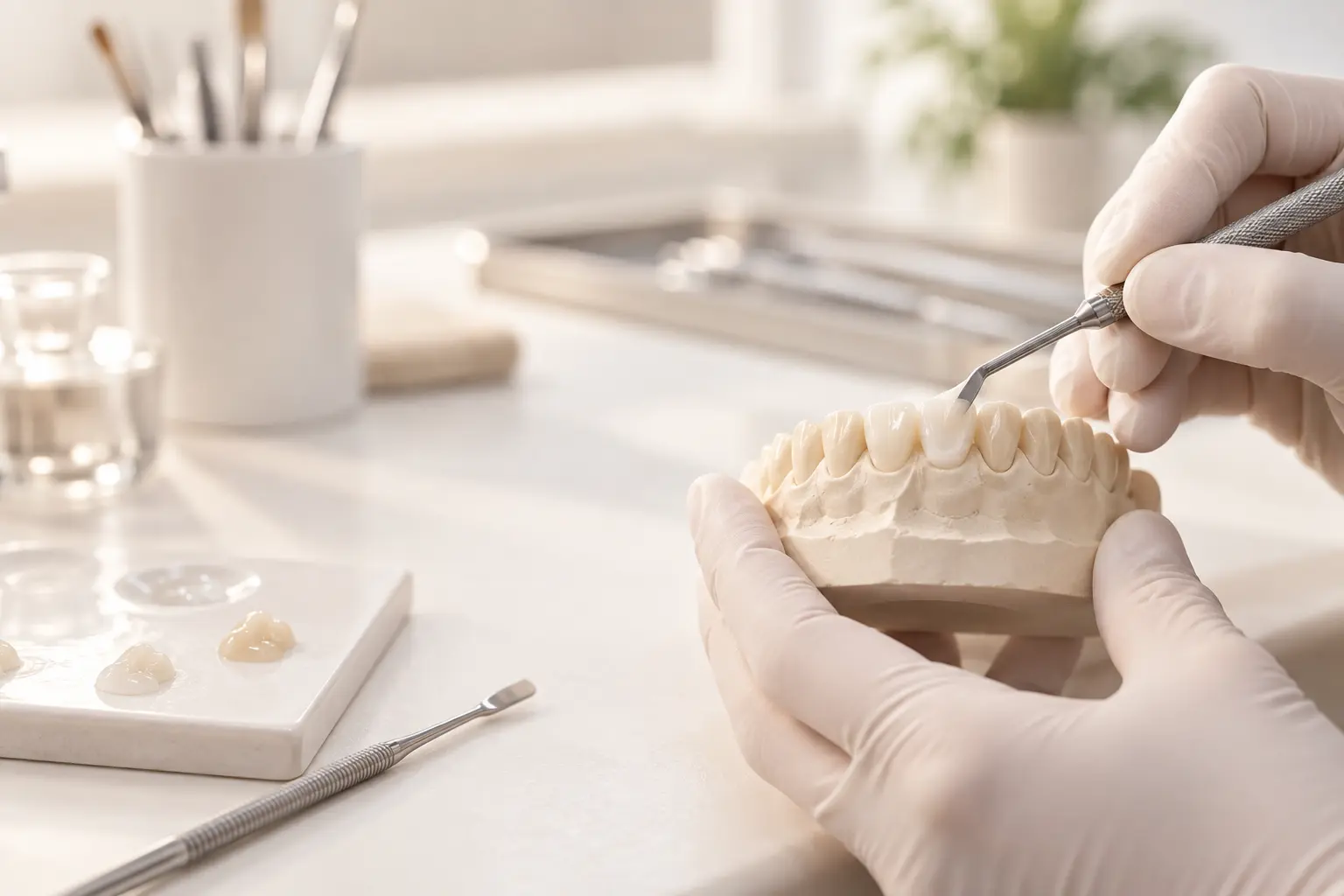
Bonding is commonly completed by conditioning the tooth, applying composite resin, shaping it, hardening the material, and polishing the final contour. The dentist also checks how the bonded area meets the opposing teeth. Veneer treatment involves planning the desired shape and color, preparing the teeth when needed, creating the restorations, and bonding them after fit, appearance, and bite are evaluated.
Because the workflows are different, the number of appointments can differ as well. A smaller bonding repair may be completed in one visit. Porcelain veneers often involve more than one stage. The schedule should be explained before treatment, especially if temporary restorations or other cosmetic procedures are part of the plan.
How do you maintain bonding and veneers?
Both need normal brushing, cleaning between the teeth, and professional review. Avoid using restored teeth to open packages, bite fingernails, or chew hard non-food objects. If you grind or clench, discuss whether a protective appliance is appropriate. Composite may need periodic polishing or repair; a veneer should be checked for changes at the margin, gum recession, chipping, or bite-related stress.
What affects the cost of bonding and veneers?
Cost depends on the number of teeth, the amount of work, the material, whether existing restorations need replacement, and whether whitening or alignment is part of the sequence. Magnolia Dentistry does not publish universal bonding or veneer prices on the current site, so this article does not invent a range. A useful estimate should specify exactly which teeth and procedures are included.
Who should delay cosmetic treatment?
Active decay, uncontrolled gum inflammation, untreated tooth pain, significant grinding, or a bite problem can change the plan. Cosmetic treatment is easier to maintain when the foundation is healthy. Treating disease first is not a detour from cosmetic dentistry; it protects the teeth and restorations that the cosmetic work depends on.
COMMON QUESTIONS
Questions patients often ask
Is bonding cheaper than veneers?
Bonding is often less extensive than porcelain veneer treatment, but Magnolia Dentistry does not publish universal prices on the current website. A treatment-specific estimate requires an examination and a clear plan.
Does bonding stain?
Composite resin can pick up stain and change surface texture over time. Polishing, maintenance, or repair may be needed.
Can veneers be whitened?
No. Veneer materials do not whiten like natural teeth, which is why shade planning and any desired whitening should be discussed before veneers are made.
Are veneers reversible?
Porcelain veneer treatment that requires enamel removal is not considered reversible. The prepared tooth will continue to need a restoration.
Can bonding be repaired if it chips?
Composite bonding can often be repaired or added to, although whether repair is appropriate depends on the size and cause of the damage.
Sources and further reading
These professional resources support the general dental information in this article. They do not replace an examination with your dentist.
YOUR NEXT STEP
Comparing veneers and bonding for your smile?
Magnolia Dentistry can examine the teeth you want to change and explain whether bonding, veneers, whitening, alignment, or another approach is the more conservative fit for your goals.
 Cosmetic Dentistry
Professional Teeth Whitening vs. At-Home Whitening: What’s the Difference?
Professional and at-home whitening can both use peroxide-based bleaching agents, but they differ in supervision, concentration, delivery, fit, and how treatment is selected for the cause of discoloration.
Read the guide Invisalign
How Long Does Invisalign Take? A Complete Guide for Burbank Patients
Invisalign treatment is measured in months, not days, and there is no single timeline for every smile. Mild alignment concerns may take under a year, while more complex bite correction can take considerably longer.
Read the guide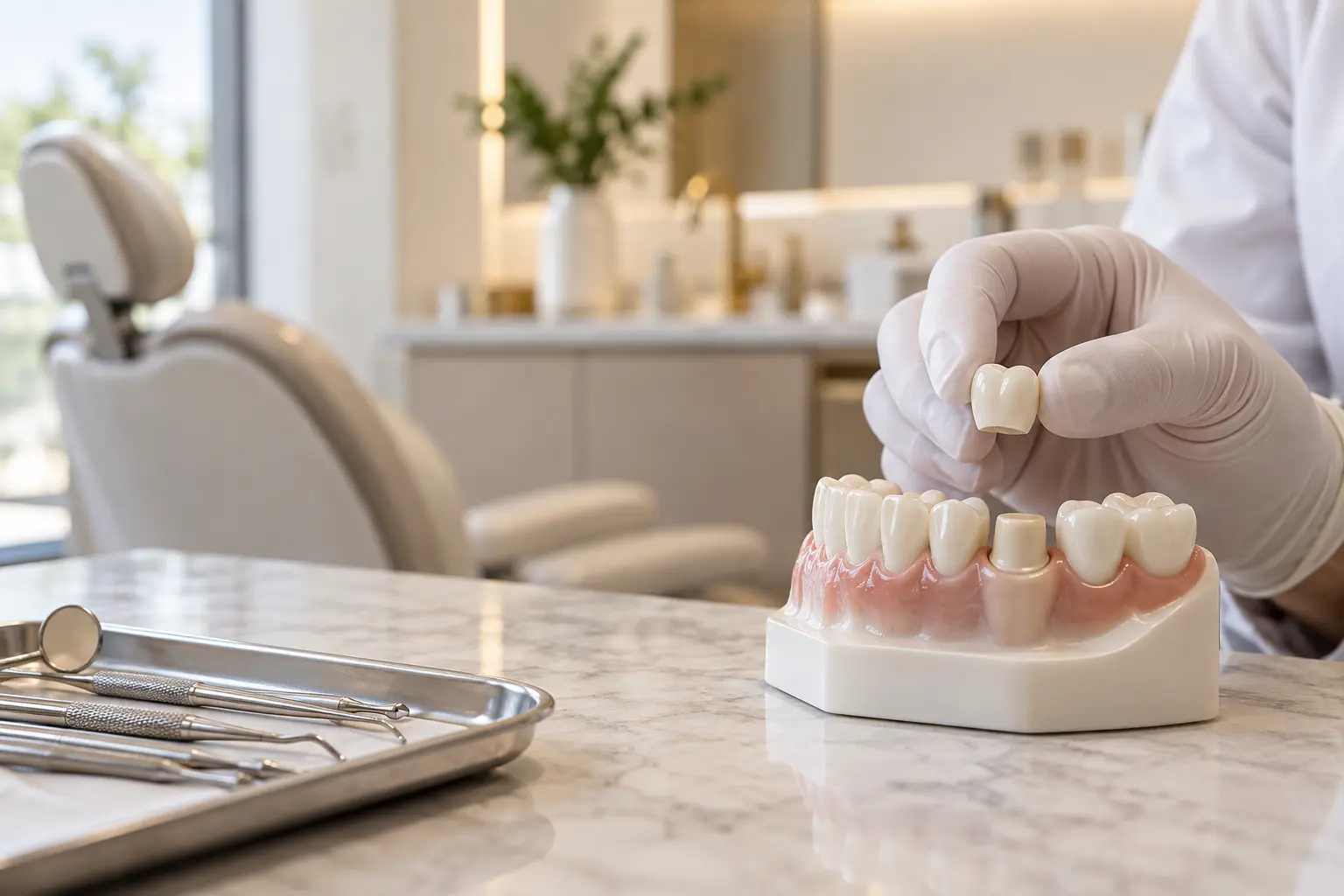 Restorative Dentistry
Dental Crown vs. Filling: Which Treatment Is Right for a Damaged Tooth?
A filling repairs a smaller area of damaged tooth structure, while a crown covers and protects much more of the tooth. The better option depends on how much healthy tooth remains, where the damage is, and how the tooth functions in your bite.
Read the guide